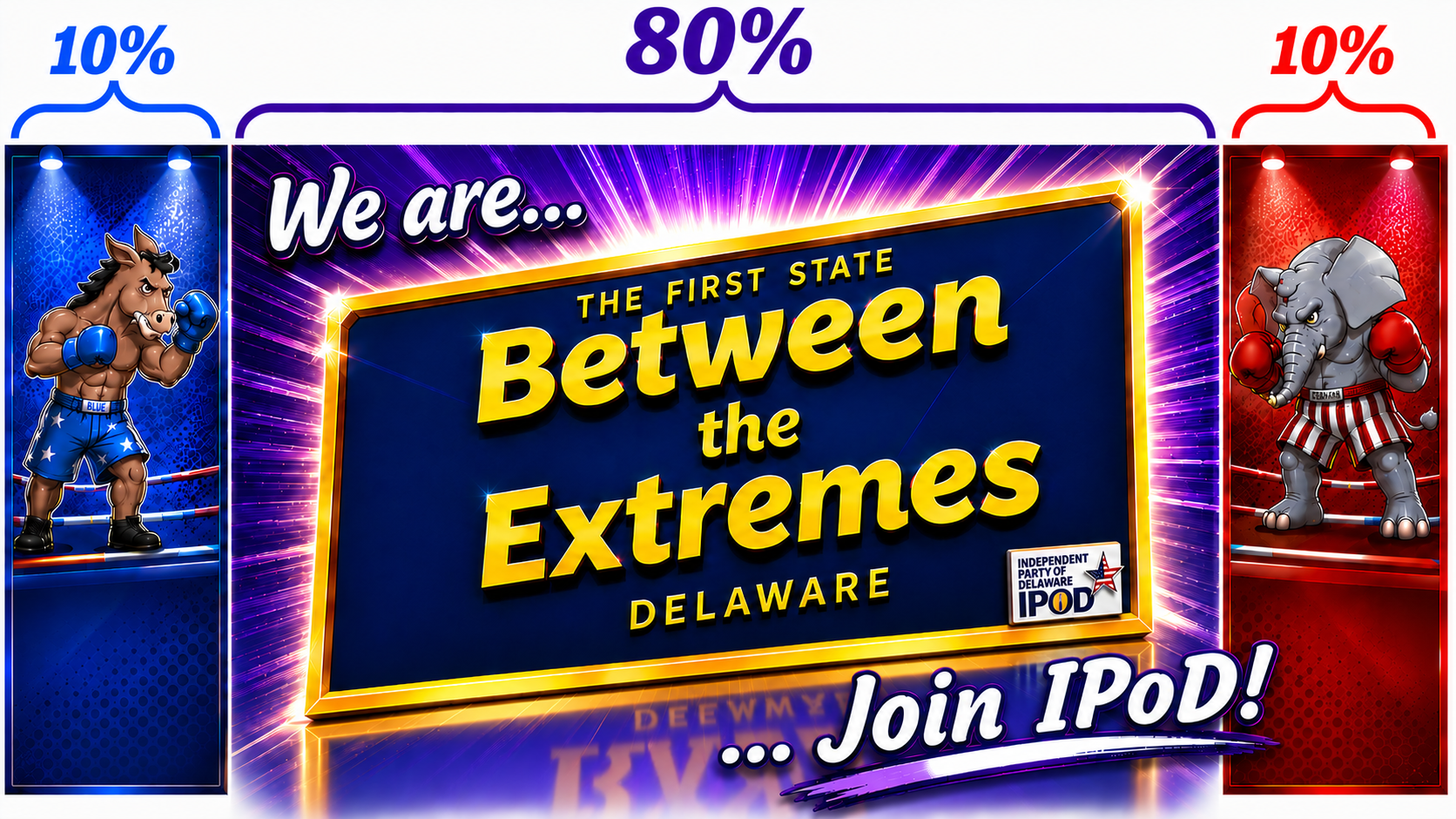


Tired of politics as usual?

You're not alone. 


Our politics has turned into an industry.

Especially at the federal level, the influence of money over our political system and elections has resulted in a network of career, wealth building politicians beholden to big donors first, We the People second, and two polarized parties (that are actually corporations) with all the control. 

At the same time, gerrymandered districts and closed primaries push candidates to appeal to the most partisan voters instead of the majority.  

Together, our system rewards politicians for raising money, pleasing special interests, and fueling division - not solving problems for the people they represent.  

That's why a third major party is needed.

Not another party built to serve donors, insiders, and ideological extremes - but a party free from financial conflicts of interest, beholden only to the people, and representative of the majority who fall between.

A party not controlled by corporate money, not trapped by tribal politics, and not loyal to the two-party industry. 

A party committed to restoring legitimate competition, accountability, and real representation for Delaware - so government works for the people. 

The only way to fix a political industry built to serve itself, is to build a party that serves the people. 

Be the change.  

Be Independent. 


Board of Directors

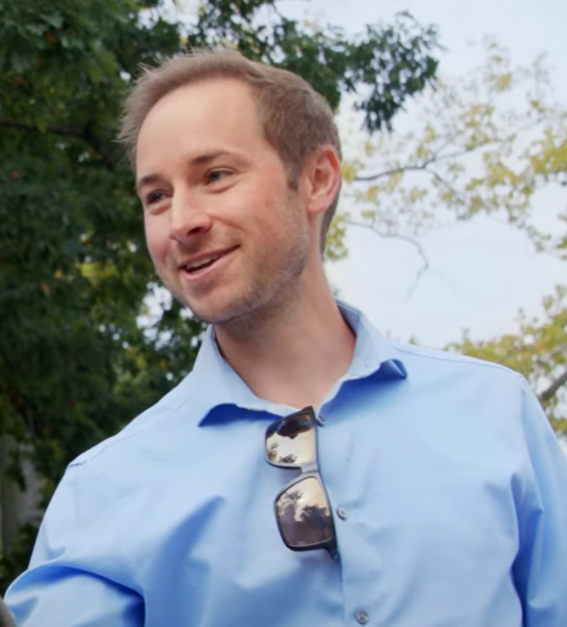
Chair - Ben Woratyla

Secretary - Laura Harrison 


  Director – Dr. Michael Pushkarewicz


Member At Large - Ron Homa

Veterans Outreach Committee Chair

Read Ron's Op Ed


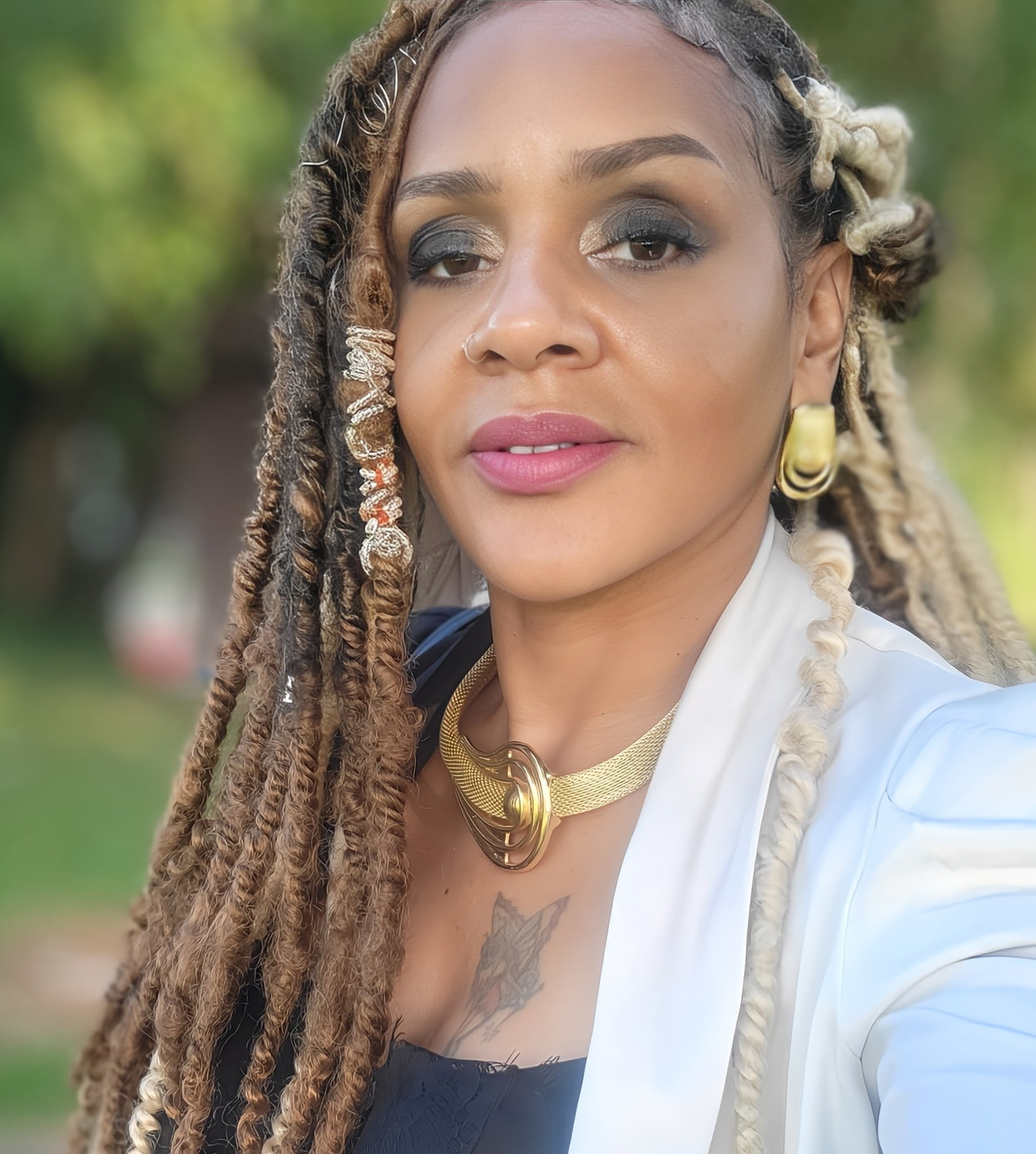
Member At Large – Crystal Hunter

Urban Outreach Committee Chair


Dr.Albert Forwood - Doctor of Chiropractic at W. Albert Forwood, D.C ...


Member At Large – Dr. Albert Forwood  


Member At Large - Wolf Von Bumgard


You are invited to a Party.


By choosing IPoD you are:
  • Choosing representation free from corporate money and special interests

  • Standing up for accountable, citizen-driven governance that places People over Party.

  • Declaring Independence from the tribal, partisan politics that value winning over truth


Let's Link Up!  


Something's happening in Delaware!

In 2025:

- the Democratic Party lost 21,243 registered voters.

- the Republican Party lost 8,365 registered voters. 


IPoD was the only political party with significant growth.


Source: Dept. of Elections Voter Registration Data and Reports


-

To the 250,031 Delawareans registered as 'No Party' - it's time to assemble!

IPoD is Delaware's leading alternative political organization with 12,614 Registered Voters

If we add 27,612 we will reach Major Party status (5% of Reg. Voters) - a key milestone.

Source: May 2026 Registered Voter Report


What our Forefathers Foresaw...


Our first Independent President, George Washington:


America's 2nd President, John Adams:

Letter from John Adams to Jonathan Jackson, 2 October 1780


America's 16th President, Abraham Lincoln:


Vector illustration of click flat icon. 24237726 Vector Art at Vecteezy


Structural Reform

The Problem:

Too many career politicians use public office as a path to personal wealth—leveraging industry-funded campaigns to represent the interests of those industries rather than the people. Public service should be an honor, not a career built on political power and financial gain.

The Cause:

The two major parties are corporations and are primarily funded by other corporations. These financial backers invest in politicians—who are effectively party employees—in exchange for loyalty, influence, and favorable policy. The result is a system built on dependence, not independence.

The Path Forward:

  • Term Limits for Congress

    • Encourages citizens with real-world experience and the right motivations to step forward and serve.

    • Reduces entrenched power and the long-standing ties between candidates and special interests.

    • Brings fresh perspectives and prioritizes public service over political survival.

  • Ban Stock Trading by Members of Congress

    • Prohibit members of Congress from trading individual stocks while in office and for a set period afterward.

    • Removes obvious conflicts of interest and restores trust in public decision-making.

    • Ensures elected officials serve the public—not their portfolios.

  • "Revolving Door" Restrictions

    • Require "cooling off" periods before elected officials can work as lobbyists.

    • Do the same for government officials in regulatory positions working for the industries they were regulating.
  • Campaign Finance Transparency and Regulation
    • Dark money has no place in our elections.  Require full disclosure and transparency. 

It’s time to return to the ideal of Citizen Servants—leaders who answer to the people, not party bosses, donors, or personal financial incentives.


Election Reform


Government Accountability


The Problem:

Government should be efficient, responsive, and limited to what is necessary.  Instead, many elected officials spend the bulk of their time fundraising—serving donors and special interests rather than the people they were elected to represent.

The Cause:

Corruption, hyper-partisanship, and deep industry influence have led to legislative gridlock, bureaucratic inefficiencies, and a growing disconnect between government and taxpayers. This mismanagement disrespects the hard-earned money of citizens and erodes public trust.

The Path Forward:

  • Elect Qualified, Independent Servant Leaders
    Support candidates who are free from financial conflicts of interest and genuinely committed to public service—not personal or party gain.

  • Establish Non-Partisan Inspector General Offices
    Advocate for independent, non-partisan oversight positions at all levels of government to investigate waste, fraud, and abuse—and ensure real accountability.

  • End the Corrupting Role of Money in Politics
    Champion reforms that reduce or eliminate the undue influence of money in our political system, including campaign finance reform, increased transparency, and stronger enforcement.


Accountability isn’t partisan—it’s essential.  Together, we can build a government that works efficiently, transparently, and in the best interests of the people of Delaware.


Government’s Fiscal Responsibility


The Problem:

Our nation’s fiscal outlook is unsustainable.
Delaware, too, is on a path toward a growing budget deficit unless meaningful action is taken.  When governments continually spend more than they bring in, they put long-term financial stability at risk.

The Cause:

  • Irresponsible and Wasteful Spending
    Chronic overspending leads to structural deficits and a growing debt burden.

  • Rising Interest Costs on National Debt
    As debt increases, so does the cost of interest—eating up more of the budget and crowding out essential services.

  • Money Printing and Inflation
    Financing deficits by printing more money devalues the dollar by reducing its scarcity.  The "hidden cost" to all this money-printing is inflation... disproportionately affecting everyday consumers, diminishing purchasing power, and compromising economic stability.

The Path Forward:

  • Smarter, More Responsible Budgeting
    Eliminate wasteful spending and prioritize a balanced budget—or at minimum, ensure that the cost of interest on debt is shrinking as a percentage of total revenue.

  • Promote Financial and Economic Literacy
    Empower the public—especially students—with a strong foundation in financial and economic education. Informed voters are essential to demanding and sustaining fiscal responsibility from their elected officials.


Fiscal responsibility is not a partisan issue—it’s a survival issue.
To secure a stable future, we must act now with discipline, transparency, and long-term thinking.


Healthcare


The Problem:

We have a broken healthcare system.
Doctors face overwhelming patient loads and administrative burdens. Patients endure surprise billing, life-altering medical debt, a lack of price transparency, and a system that prioritizes profits over health. Meanwhile, large corporations and middlemen make decisions driven by dollars—not care.

Despite ~$2 trillion in annual federal healthcare spending, our country continues to get sicker. While treatment for illness and injury is often effective, preventative care and whole-person health are severely lacking.

The Cause:

Financial incentives are misaligned.
Profit-driven payers benefit from rising premiums and higher costs, while patient outcomes and long-term health are sidelined. The flow of healthcare dollars prioritizes short-term gains for corporations over sustainable, community-wide well-being.

The Path Forward:

  • Create Patient-Centered Healthcare Systems
    Align financial incentives between providers and payers with the long-term health of individuals and communities. Emphasize prevention, wellness, and total health—not just treating illness.

  • Streamline and Integrate Systems
    Promote operational efficiency through integrated, community-based healthcare models. Focus on population health and wellness across the full life spectrum, while maintaining accountability through competition, consumer choice, and smart regulation where necessary.

  • Restructure Medicare and Medicaid
    Eliminate waste, fraud, and abuse. Open these programs to market competition that drives quality, innovation, and patient-centered outcomes—without sacrificing care for cost-cutting.


Health should never be a byproduct of profit.
It’s time to realign our system around what truly matters: the well-being of our people and communities.


Education


The Problem:

Delaware ranks 6th in the nation for education spending—yet falls to 45th in achievement.
Teachers consistently report: “Too many students are entering the system already behind.”
The long-term cost of playing catch-up—both for the individual and for society—is enormous. And with job-displacing AI rapidly transforming the future of work, we can no longer afford an education system that fails to help every student reach their full potential.

The Causes:

  • Excessive and inefficient administrative overhead

  • Unmet developmental and educational needs in the most critical early years of brain growth

The Path Forward:

Early Childhood Education & Parenting Resource Program

  • Spend Smarter
    Consolidate Delaware’s 19 school districts to reduce redundant administrative costs. Reallocate those funds toward programs that directly benefit students—starting at birth.

  • Start Sooner
    Brain development in the earliest weeks, months, and years of life is critical. A statewide early education program will provide age-appropriate learning and development opportunities for every child, regardless of zip code or socioeconomic status.

  • Support Parents
    Offer parenting resources grounded in evidence-based techniques that support brain development, literacy, and emotional well-being. These programs help parents become active, empowered participants in their child’s education.

  • Improve Long-Term Outcomes
    Early education is not just academic—it’s the foundation of mental health, social development, and lifelong learning. Early detection and individualized support for mental health needs can dramatically improve student outcomes later in life.


Education reform must begin where development begins.
By investing in early childhood education and smarter spending, we can ensure every Delaware child has a real chance to succeed—in school, in life, and in a rapidly changing world.


Get Updates

Stay informed of Independent Party of Delaware news.  Sign up here to receive email updates.

Will you sign up?
Check out the newly reorganized Independent Party of Delaware (IPoD)! Register Independent to help bring a third Major Party to DE - taking power away from the two parties and returning it to The People.

Do you like this page?